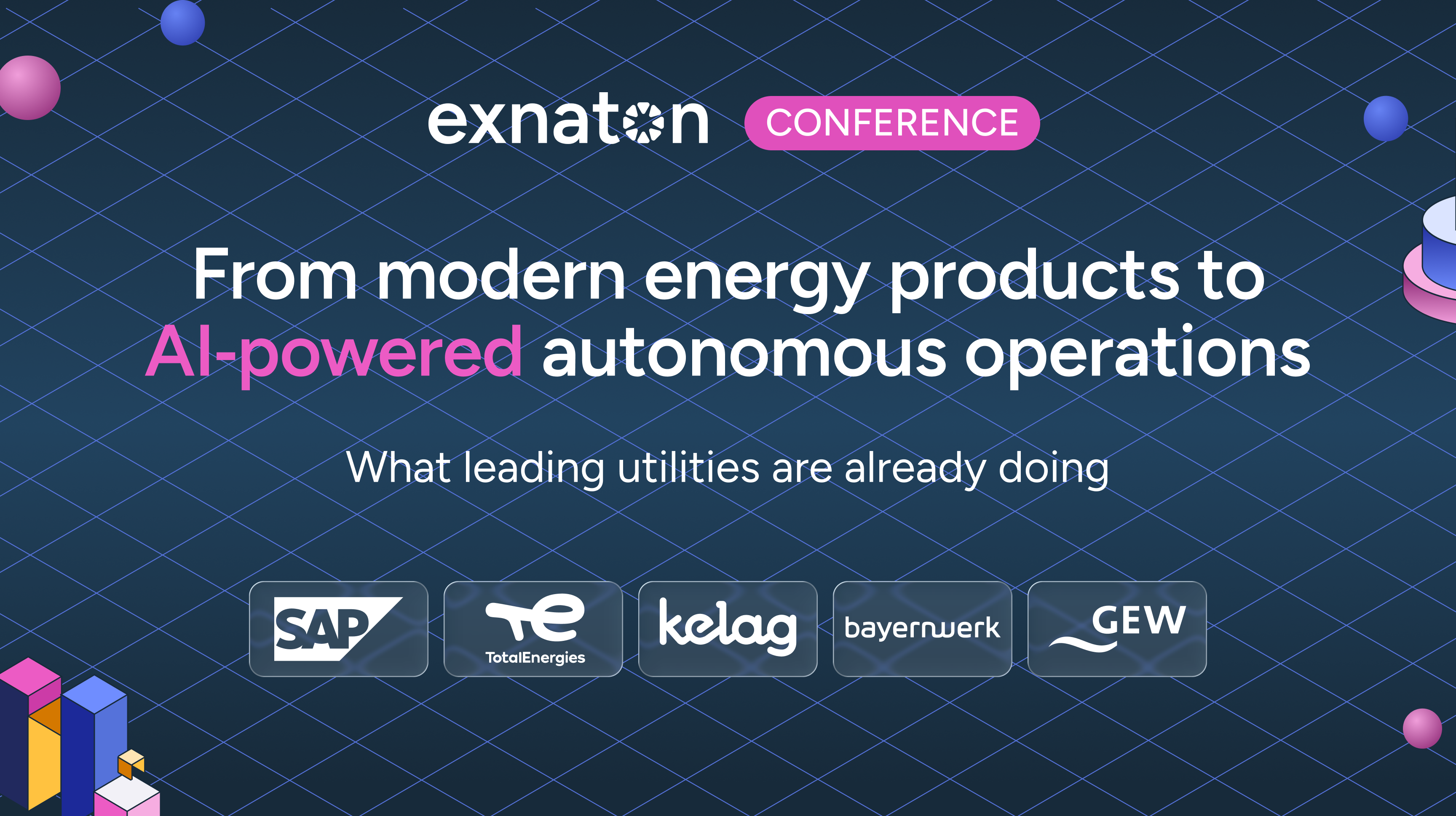

At exnatonCONFERENCE 2026, utilities and technology partners shared how they are responding to a changing energy market. Across discussions on AI, energy sharing, prosumer products, B2B supply and connected assets, a common direction emerged: utilities are moving beyond launching individual tariffs towards building the capabilities to develop and operate new products at scale.
That shift creates opportunities to diversify product portfolios, meet new customer needs and explore additional revenue streams. It also raises practical questions: how can utilities manage more complex data and billing processes, connect products to customer assets, and build on existing systems?
The conference opened with a look at the utility of tomorrow: an energy company where AI supports more of the work behind products and customer services. The near-term opportunity is not simply to add a chatbot, but to apply AI to specific operational tasks – such as investigating billing exceptions, checking data quality or helping teams find product information across systems.
The SAP session extended this idea to connected energy data and decentralised assets. Its demonstration of SAP Joule interacting with exnaton agents pointed towards AI workflows that can work across software environments. For utilities, the practical path is likely to start with clearly defined tasks, permissions and performance measures, with people retaining oversight.
AI could help reduce operational bottlenecks and give teams more capacity to manage exceptions, improve service and develop new products. In a regulated sector, trust will depend on clear guardrails and human accountability as these workflows expand.
The next shift is in the products utilities can offer. Energy sharing and new forms of prosumer remuneration are creating more ways for customers to participate in local energy markets. In the Kelag session, Austria’s experience showed how energy sharing can develop into a wider range of models and how growth brings new demands for data exchange, allocation, billing and customer management.
For utilities, the opportunity is to make these models workable beyond individual pilots. Repeatable processes can help turn customer interest and regulatory change into products that can be offered to more participants.
The TotalEnergies Belgium session showed a related path for flexible tariffs. The company moved from a pilot for dynamic pricing to a product connected with its existing ERP and billing systems, and later extended its work to time-of-use pricing. These products can give customers clearer information about when energy is more or less expensive, while allowing the utility to expand its offer as needs change.
Together, these examples point to a broader commercial opportunity: utilities can differentiate their portfolios and develop new customer propositions. The revenue potential depends on making the product economics and the operational model work together.
Flexibility is also changing energy supply for business customers. Companies may want contracts that combine fixed volumes, spot prices and power purchase agreements (PPAs), sometimes across multiple sites. These products can meet more specific procurement needs, but they also make allocation, pre-billing and billing more complex.
GEW Wilhelmshaven’s work on structured B2B products illustrated why automation matters. When processes rely on manual calculations and spreadsheets, they can limit how many contracts and locations a utility can support. Automating parts of this work can help utilities serve business customers with more tailored products and grow the portfolio without the same increase in administrative effort.
The benefit is not just a more flexible contract. It is the ability to make complex products operationally manageable and therefore commercially viable to offer at scale.
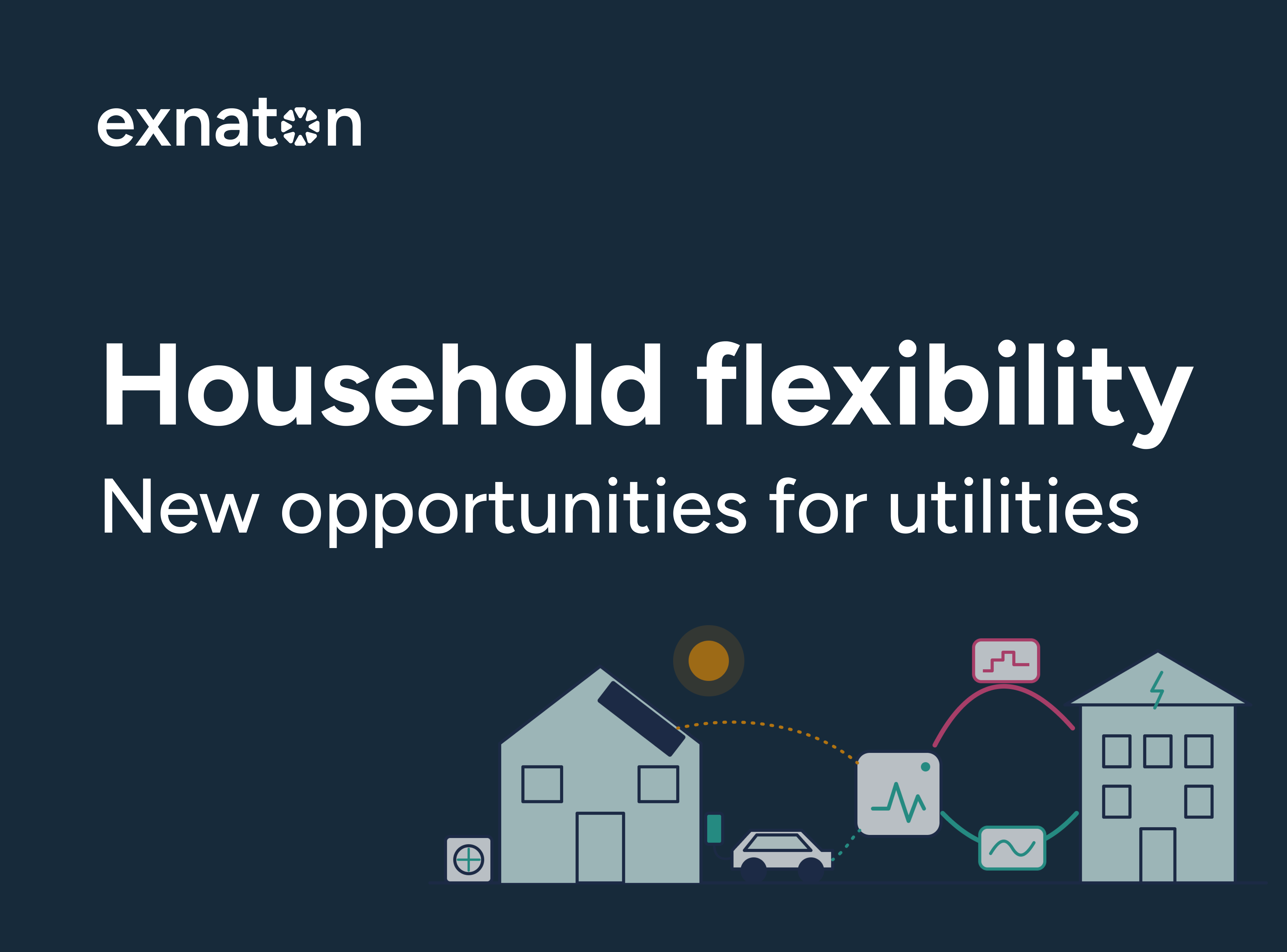
The final step is connecting energy products to the assets that can respond to them. Bayernwerk’s work on home energy management systems (HEMS) showed how customer-specific price signals, informed by forecasts and intraday prices, can reach batteries and electric vehicles.
A tariff can then do more than calculate a bill: it can help guide when an asset charges, stores or uses energy. This creates opportunities for new customer offers and for utilities to explore how household flexibility can support the wider energy system.
Realising that potential requires timely price information and integration with the systems controlling the assets. It also brings product design, customer experience and flexibility management closer together.
The conference’s sessions followed a clear progression: from AI-powered operations, to new energy products, to the processes and connected assets that make those products work. The utilities moving forward are building on their existing systems while connecting the data, product logic and workflows needed to launch and manage new offers.
For utilities, the opportunity is to respond to market changes with products customers value and to create the operational foundation to support them as they grow. The projects shared at exnatonCONFERENCE 2026 show that this work is already underway.
Watch exnatonCONFERENCE 2026 on demand to hear from SAP, KELAG, TotalEnergies, GEW Wilhelmshaven, Bayernwerk and exnaton: Watch the conference.