
Energy sharing products: fast, scalable, and customer-centric
Launch energy communities, collective self-consumption, and citizen participation — all in one platform.Turn new regulation and distributed renewable energy into recurring revenue, stronger customer relationships, and scalable operations.
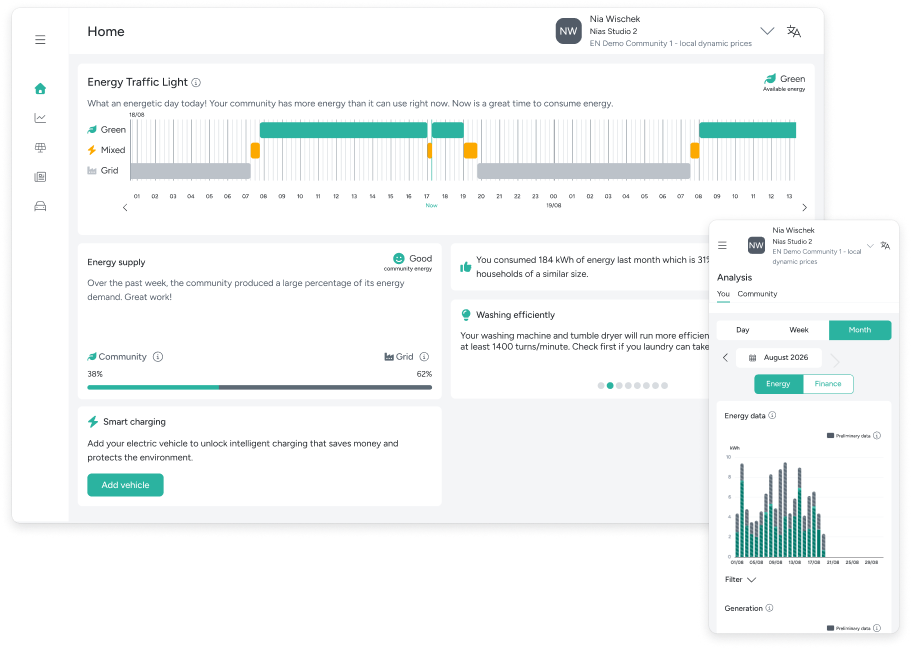


exnaton is the energy sharing pioneer, trusted by leading energy providers


Design, launch, and scale energy sharing products in weeks
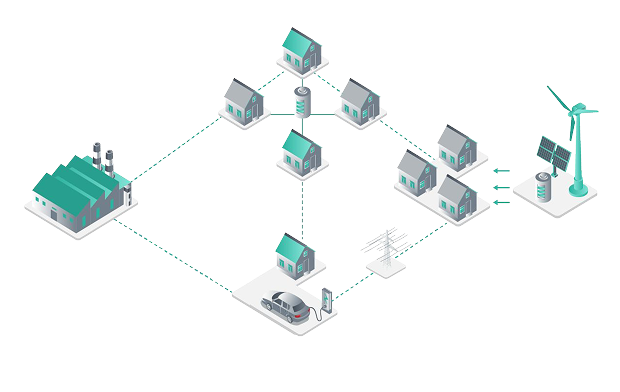
Launch any energy sharing model from one platform
Design and deploy everything from building-level self-consumption to large-scale energy communities and citizen participation models without changing your system architecture.
Support residential, commercial, and municipal use cases
Adapt quickly to evolving regulatory frameworks
Launch new offerings without adding operational complexity
Expand your portfolio with one flexible platform
Built for DSOs and energy retailers
Purpose-built for the operational realities of both electricity retailers and DSOs.
Allocate generation and consumption in 15-minute intervals
Support retail and grid balancing group models
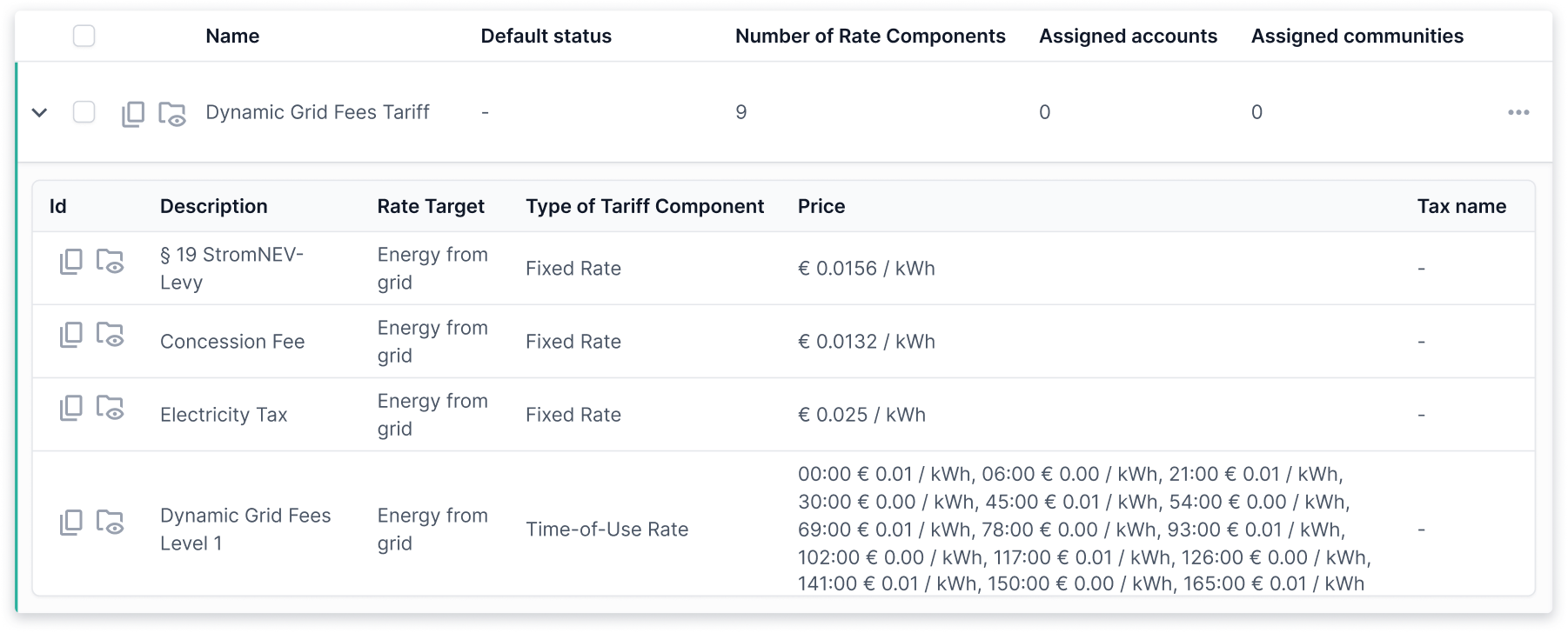
Configure local dynamic prices, activation fees, and participation models
Launch new tariffs and customer offerings with ready-to-use frontend components
Transfer calculated values seamlessly to market partners and existing billing systems
Unlock new revenue streams from local energy systems
Transform renewable generation and market volatility into long-term business opportunities.
Create new revenue streams across supply, orchestration, flexibility optimization, and energy services
Reduce exposure to volatile wholesale market prices
Offer stable, locally generated electricity products for prosumers and businesses
Enable cross-site consumption and innovative structured energy products
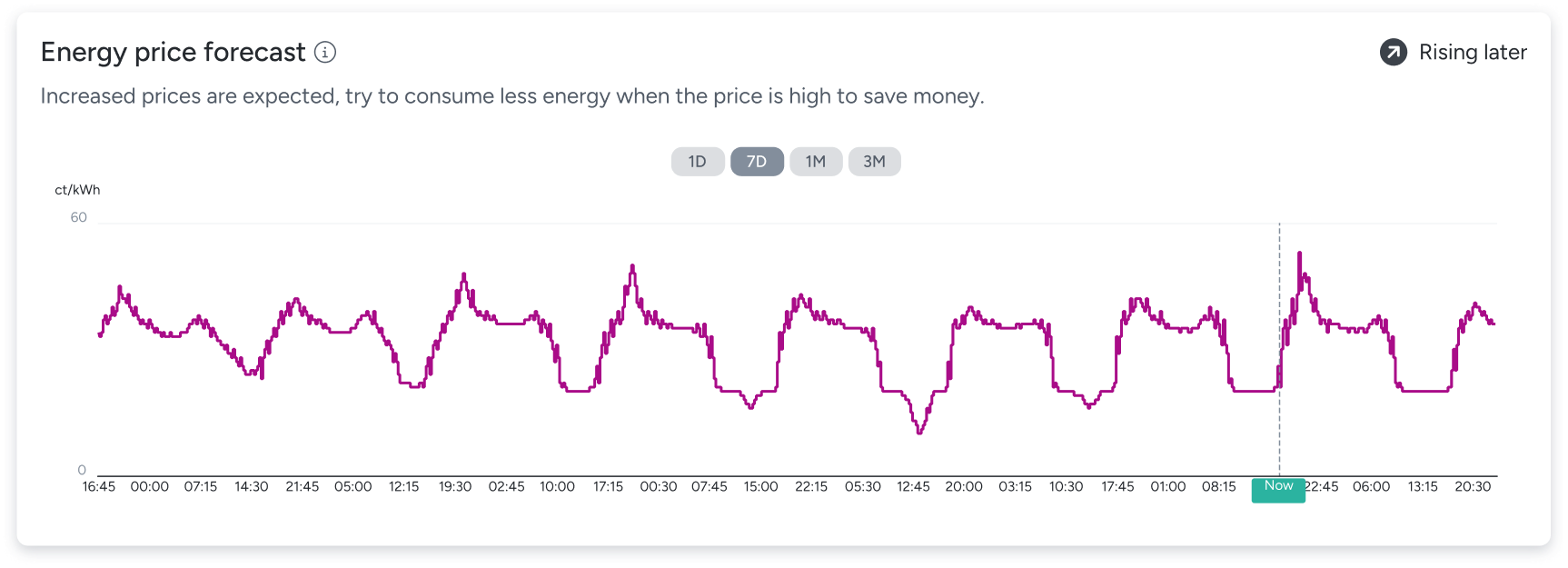
Optimize batteries, EVs, and controllable loads with local price signals
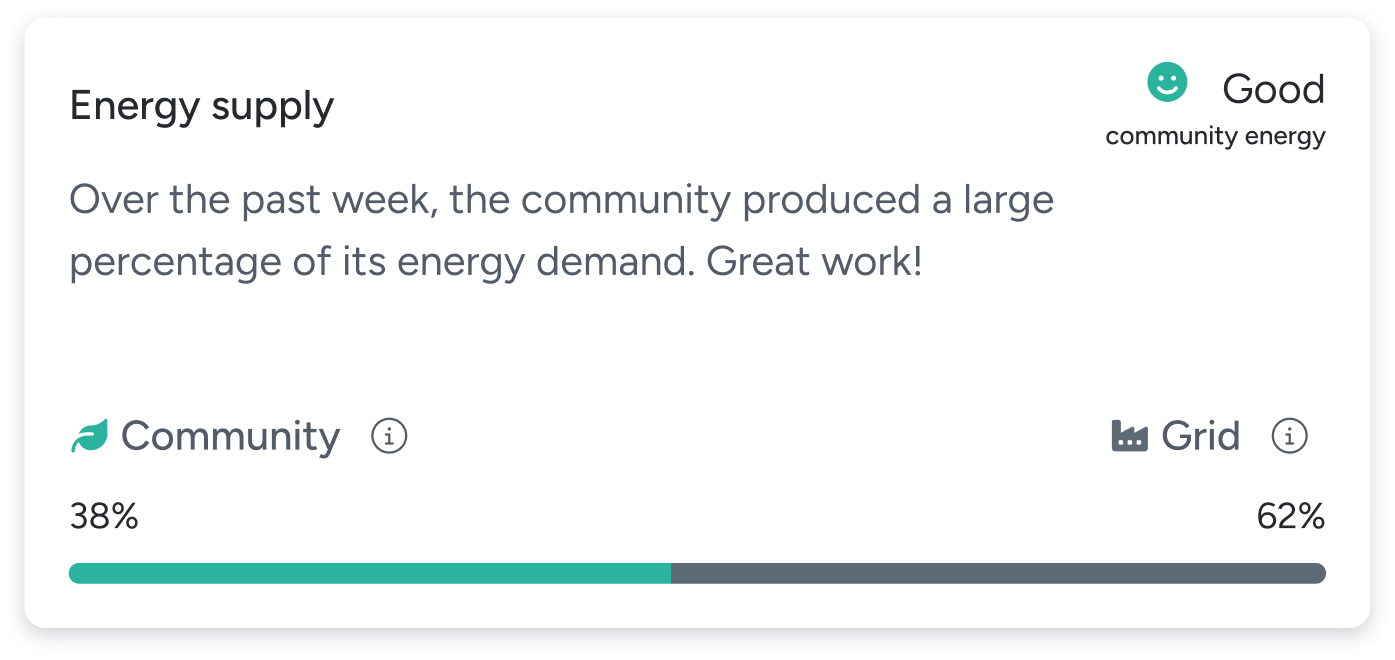
Differentiate through customer-centric energy products
Turn energy sharing into a competitive advantage by creating transparent, locally rooted energy experiences.
Offer regionally generated renewable electricity products
Increase customer loyalty through active participation and community engagement
Provide real-time visibility into generation, consumption, savings, and environmental impact
Integrate households, businesses, and producers into collaborative energy ecosystems
Stand out from traditional suppliers and emerging competitors
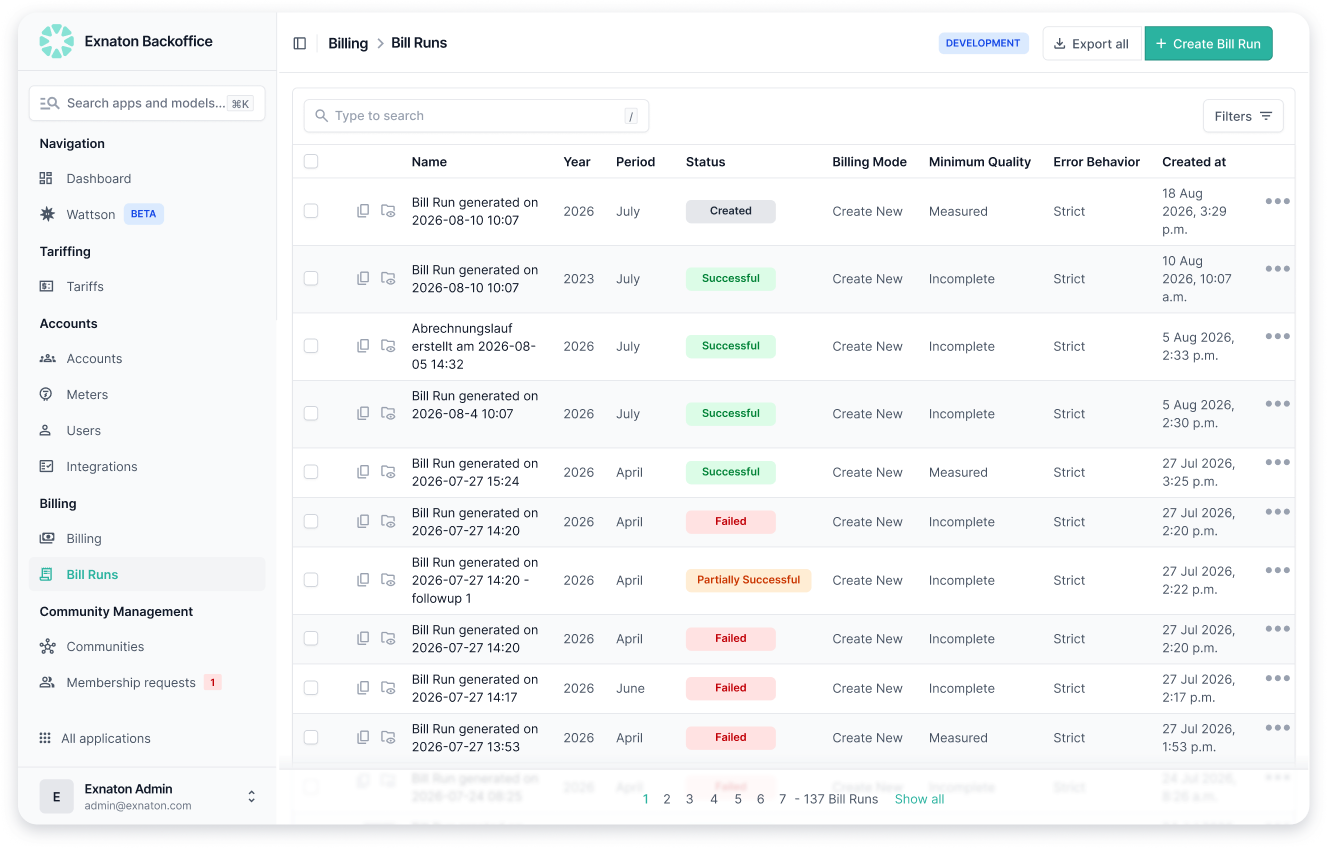
Automate complexity at scale
Let exnaton handle the data, allocation logic, and billing processes while your teams focus on growing the business.
Automate onboarding, allocation, and billing preparation
Support multiple metering concepts and data formats
Manage communities and participants outside your core systems
Standardise operations across markets and products
Eliminate manual processes and reduce operational overhead
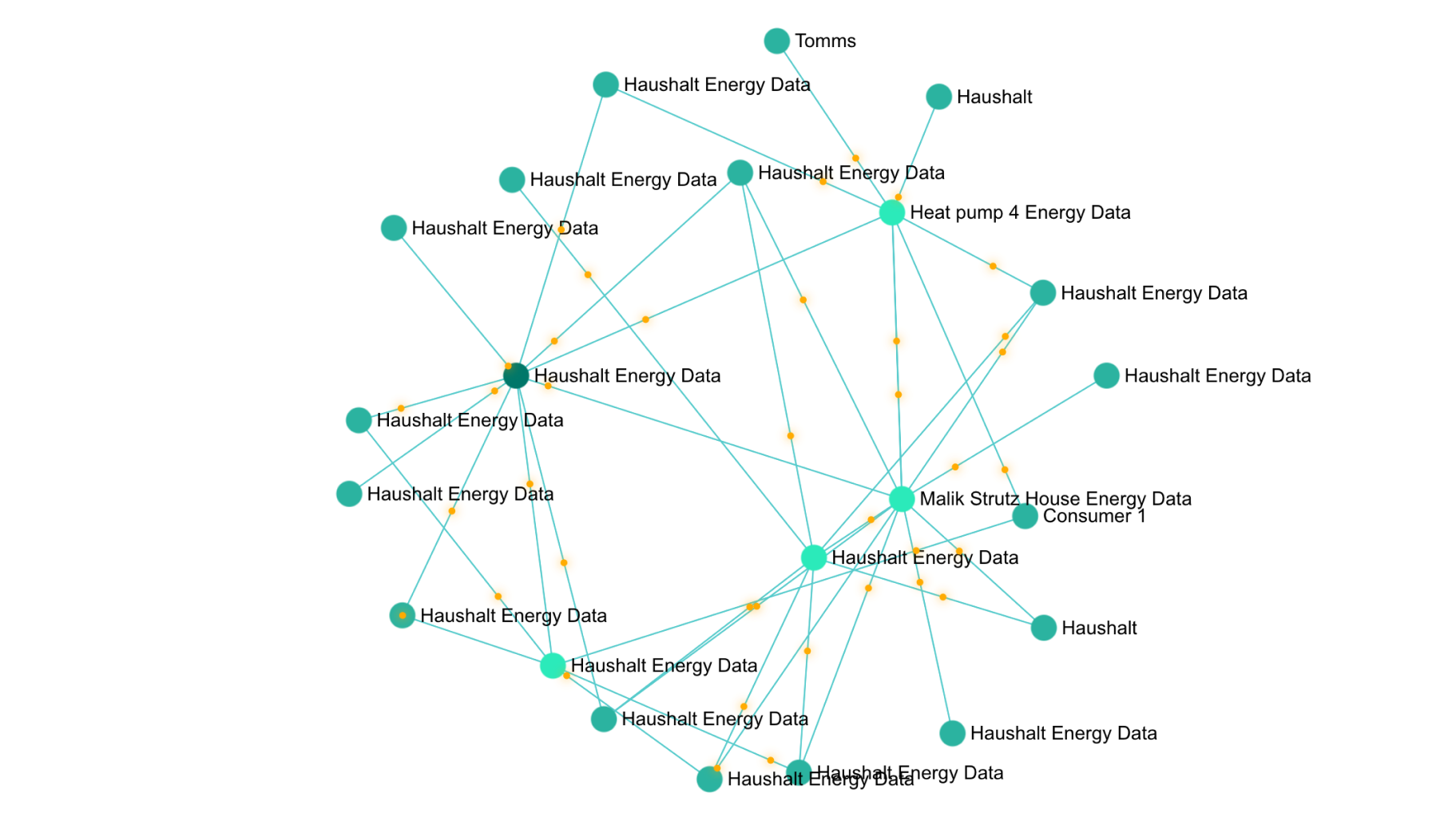
Scale from pilot projects to thousands of participants
Start with a single community and expand across regions without increasing complexity.
Onboard communities and participants with automated workflows
Manage thousands of members across multiple projects
Standardise processes across residential, commercial, and municipal use cases
Grow your portfolio without adding manual effort or system strain
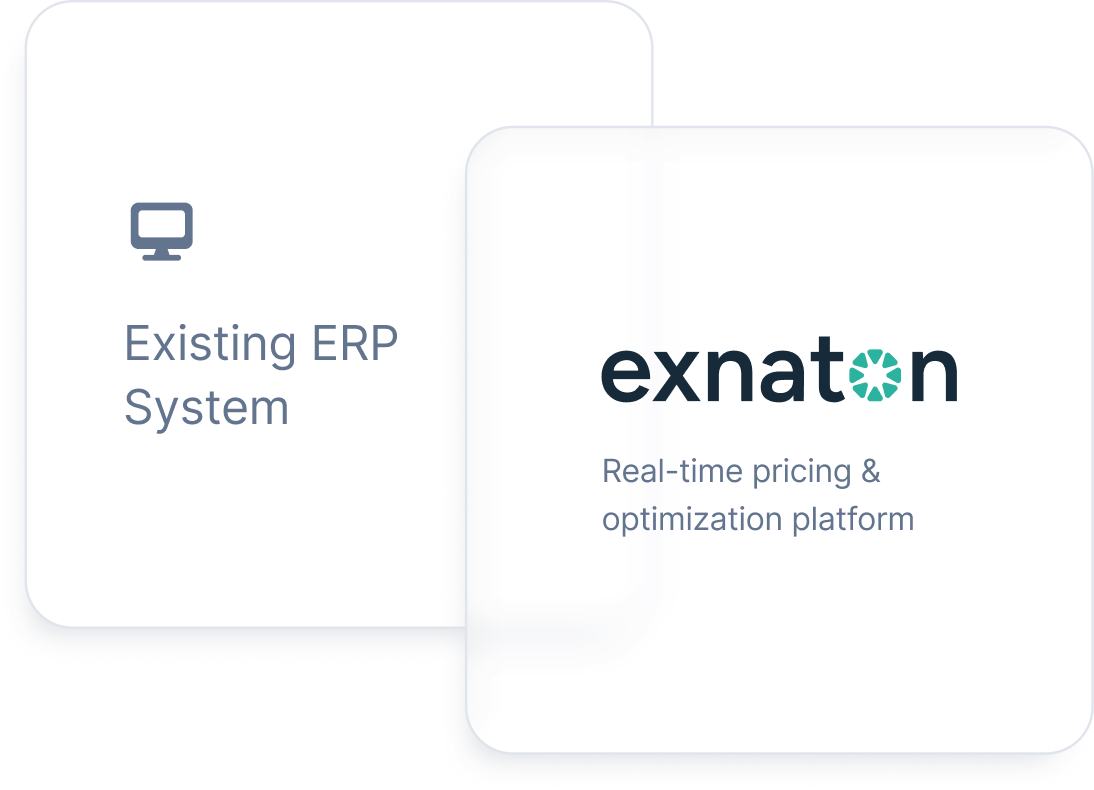
Plug-and-play ERP-Integration
Add energy sharing capabilities without replacing your core systems.
Plug-and-play integration with ERPs like SAP via BTP, powercloud, or any integration layer
Connects to electricity exchanges and national energy data hubs
Exports pre-billable items direct to your ERP, so your existing billing and receivables keep running as-is
Efficiently process complex data from multiple sources and DSOs
Everything you need to build and scale energy sharing
Centralize the management of energy communities with full visibility into performance, members, and operations
Overview of community performance (e.g. self-sufficiency, consumption, production)
Detailed insights into tariffs, savings, costs, and remuneration
Drill-down views for individual communities and participants
Manage members, tariffs, communication, and settings in one place
Accurately allocate renewable energy across participants with flexible, regulation-ready logic
Dynamic distribution key with 15-minute resolution
For any market role: suppliers, DSO, metering operators and energy service providers
Support for locality-based and ownership-based allocation models
Works with complex participation structures and shared assets
Compatible with standard load profiles and real-time metering
Aggregation at both community and grid level to support balancing group management
Design and operate sophisticated energy products tailored to modern consumption and generation patterns
Support for fixed, dynamic, indexed, and formula-based tariffs
Locally dynamic tariffs with configurable caps and time variability
Differentiation between self-generated and grid energy
Enable complex prosumer setups (e.g. PV, EVs, heat pumps, multi-metering)
Leverage predictive intelligence to improve decision-making and operational efficiency
AI-based community electricity availability forecasts (48h)
Portfolio and schedule forecasting for energy management
Insights into consumption and generation patterns
Send local dynamic price signals, based on AI community forecasting, to EVs and assets to optimize excess community energy
Intelligent recommendations and invoice explanations
Handle complex billing scenarios without changing your existing systems
Automated billing calculations based on configured tariffs
Export billing data as billable items into ERP systems
Download detailed billing data (CSV/XML) for further processing
Scale efficiently with streamlined onboarding and operational workflows
Digital onboarding of participants via national market communication or energy data hubs (e.g. EDA integration in Austria)
Automated workflows for community and member setup
Built to scale from small pilots to large portfolios
Deliver clear, value-driven experiences that increase trust and participation
Transparent visualization of energy flows, savings, and impact
Monthly reports with key KPIs (consumption, local share, CO₂ savings)
Personalized insights and behavioral recommendations
White-label ready for seamless customer experience
Connect easily to your existing infrastructure and data sources
Integration via API or CSV with ERP, CRM, and billing systems
Real-time data processing via metering operator (MPO) interfaces or optical readouts
Supports multiple data formats and complex metering concepts
Direct integration with external systems and services
Enable next-generation energy use cases by connecting distributed energy resources
Integration with (community) smart charging systems and HEMS via price APIs
Support for real-time and controllable loads
Align consumption with renewable generation
Unlock demand-side flexibility use cases
Who benefits from energy sharing in the energy market?
One platform — six roles across the energy value chain
Energy supplier / retailer
Turn energy sharing into a scalable product line, not a pilot
Add energy sharing to your portfolio without taking on new market roles
Offtake local feed-in volumes and resell them to your own customers
Design participation models across residential, commercial and municipal segments
Distribution system operator (DSO)
Meet the enablement mandate without building it yourself
Fulfil energy-sharing obligations in Germany, Switzerland and Austria
Allocate shared and residual volumes for correct grid-usage billing
Run everything through standard market communication processes
Metering service provider
Calculate and distribute allocations at scale
Apply allocation keys across any metering concept your market requires
Deliver calculated volumes to every market role automatically
Absorb new regulation without reworking your own systems
IT service provider
Ship energy sharing to your utility clients faster
Extend the core systems you already operate with a ready energy-sharing layer
Hand clients standardised, automated processes from day one
Cover market communication and billing without custom development
Housing industry
Lower energy costs for residents across your portfolio
Run collective self-consumption in multi-family buildings
Share surplus PV with buildings whose own roofs can't carry it
Bill every resident correctly without adding a back office
Energy service provider
Build a service business on top of energy sharing
Operate communities with reduced supplier obligations where regulation allows
Package Energy Sharing as a Service, EMS and flexibility management
Attach hardware, contracting, project development and engineering revenue
What our customers say
Ready to launch energy sharing?
Energy sharing is becoming a core pillar of modern energy supply, enabling new business models, stronger customer relationships, and better integration of renewables.
exnaton helps you get there fast.
Frequently asked questions
What is energy sharing?
Energy sharing allows multiple consumers to use electricity generated from shared renewable sources, such as solar panels. The energy is distributed across participants—often via the public grid, so they can benefit from locally produced, clean electricity at more stable and transparent prices.
How does energy sharing work?
Energy sharing distributes renewable electricity among participants using smart meters and allocation rules, typically in 15-minute intervals. Surplus energy is sold on the market, while remaining demand is covered by a supplier. Billing is handled through existing systems using pre-calculated allocation data.
How does exnaton enable energy sharing?
exnaton provides a full intelligence platform for energy sharing. It handles onboarding, energy allocation, leveraging local flexibility and excess energy, forecasting, billing integration, and customer visualization, allowing utilities to design, test, and scale energy sharing models quickly and efficiently.
Can I offer energy sharing across multiple buildings or locations?
Yes. exnatonSHARE supports both single-building models (e.g., a residential building with rooftop solar) and cross-building or virtual energy communities that span multiple locations. This includes apartment buildings, neighborhoods, municipal districts, cross-municipality community structures, as well as PPAs and multi-party PPAs. The platform handles the additional metering, grid fee, contractual, and regulatory complexity that multi-site and multi-party arrangements introduce.
How does energy allocation work within a community?
exnatonSHARE uses AI-powered algorithms to allocate locally generated energy (typically solar PV) among community members in real time at 15-minute resolution. The allocation engine considers individual consumption patterns, generation profiles, community rules, and regulatory constraints. All allocations are metered, auditable, and automatically reflected in each participant’s billing, ensuring transparent cost distribution and regulatory compliance.
What are the main benefits of energy sharing?
Energy sharing enables stable revenues for renewable producers, lower energy costs for consumers, and new product opportunities for utilities. It also increases local value creation, supports flexibility, and strengthens customer relationships through transparency and participation. In addition, it can reduce grid congestion and peak loads by better aligning local generation and consumption, and it supports more efficient grid planning and operation through richer, more granular data on local energy flows.
Does energy sharing require smart meters?
Smart meters improve accuracy and enable real-time allocation, but they are not always required. Transitional models using standard load profiles allow energy sharing to be launched today while preparing for full smart meter deployment.
How is energy sharing billed?
In energy sharing, allocation results are pre-calculated outside the billing system and then transferred to existing billing systems such as SAP. Shared energy is billed at account level, independent of the participant’s role as consumer, prosumer, or producer, allowing utilities to keep their existing billing processes and core infrastructure.
How scalable is energy sharing?
Energy sharing can scale from individual buildings to large portfolios with thousands of participants. With digital platforms, onboarding, allocation, and billing can be automated, enabling utilities to expand quickly across regions and customer segments.
How fast can utilities launch energy sharing?
With exnaton, utilities can launch energy sharing in weeks rather than years. Pre-built modules for allocation, onboarding, billing integration, and customer interfaces significantly reduce implementation time and complexity.