
The energy market is changing fast. A growing share of renewable generation, volatile power prices, electric vehicles, and heat pumps are creating new challenges for utilities, grid operators, and households alike. Traditional fixed-price tariffs are increasingly falling short—they offer little incentive for flexibility or load shifting.
This is where Home Energy Management Systems (HEMS) come into play. A joint whitepaper by exnaton, Solar Manager, and Consolinno shows why HEMS are a key enabler for dynamic tariffs—and how utilities, grids, and end customers all benefit.
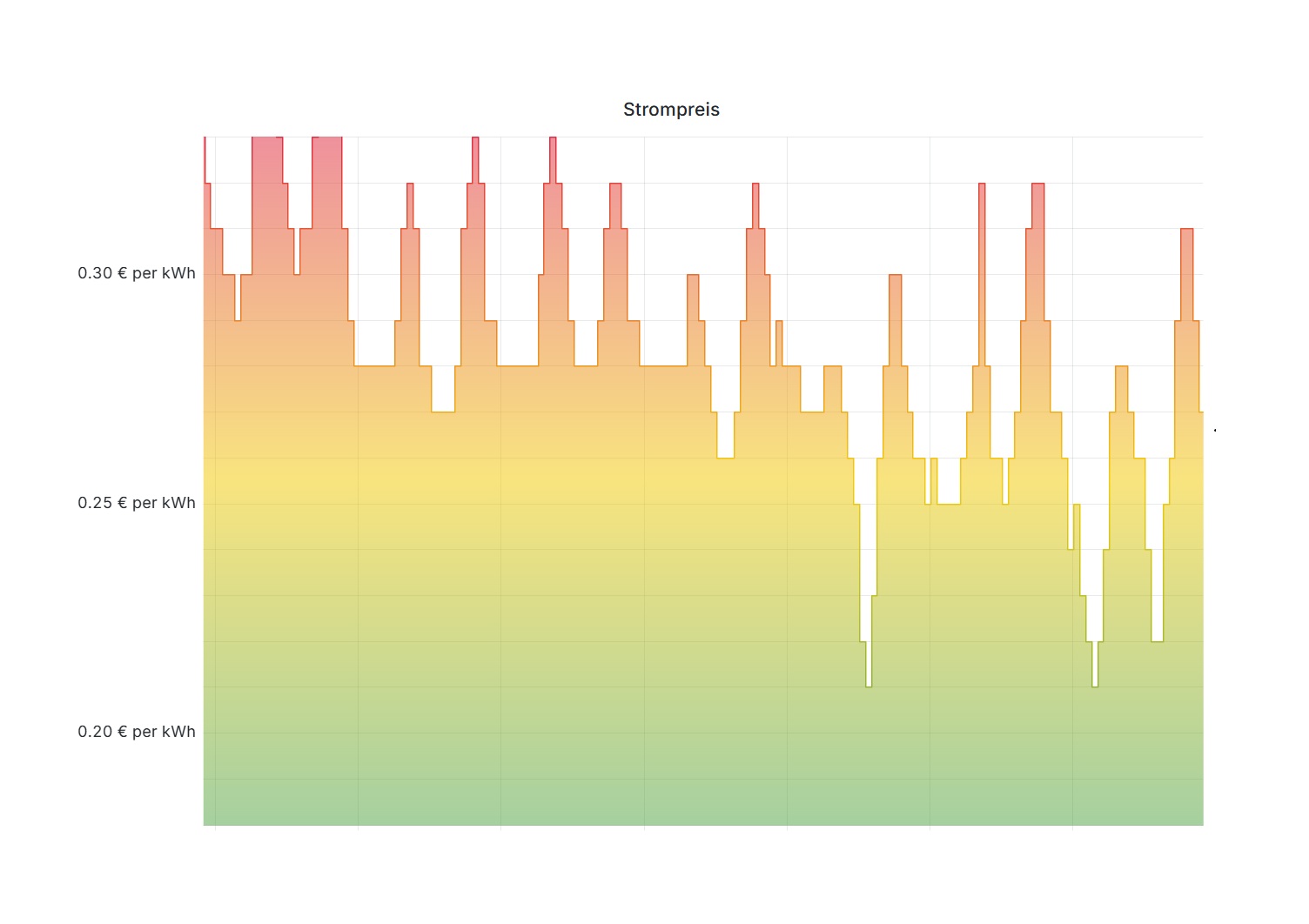
As renewable generation continues to grow, electricity supply becomes more volatile. At the same time, electrification of mobility and heating is driving up demand. Fixed tariffs with static prices fail to reflect this reality—and leave significant flexibility potential unused.
Dynamic electricity tariffs address this issue by reflecting price fluctuations and encouraging consumers to shift consumption to cheaper periods. However, without intelligent automation, these tariffs quickly become complex and hard to manage for households.
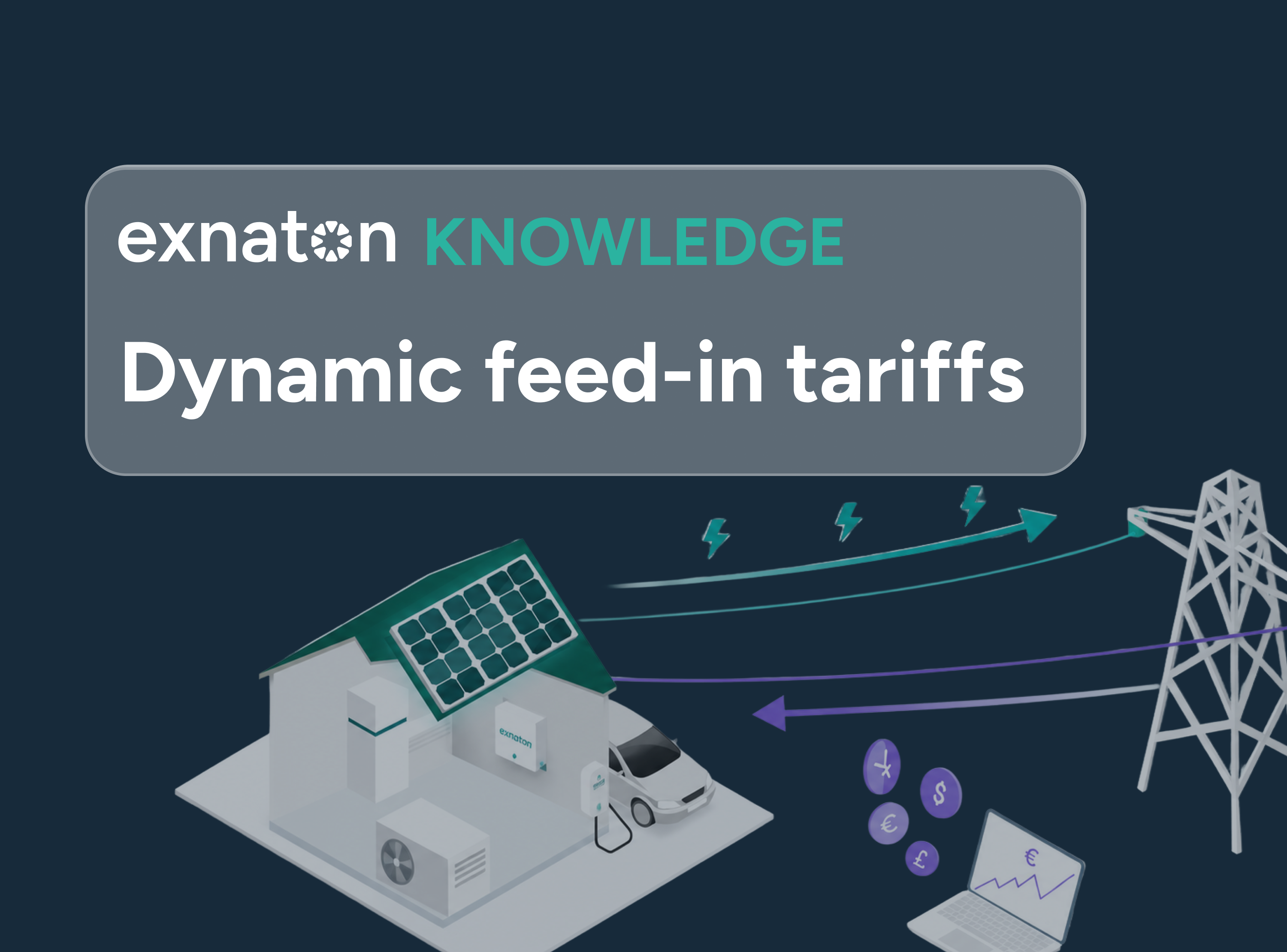
HEMS close this gap. They connect household devices, generation assets, and external price signals into one intelligent system—turning theoretical flexibility into real, usable value.
Since 2025, electricity suppliers in Germany are legally required to offer dynamic tariffs (§ 41a EnWG). But regulation is only part of the story. Many utilities also see dynamic tariffs as a strategic opportunity:
To make this work, utilities need new tariff models (e.g. time-of-use or spot-indexed tariffs), adapted processes, and close cooperation with software and HEMS providers. This is where new ecosystems emerge—combining tariffs, energy management, and customer experience.
For intelligent control, HEMS require accurate and timely price signals. These are typically transferred from the utility’s ERP or downstream systems via interfaces such as REST APIs—often already mapped to individual customers and including full gross prices.
Authentication mechanisms like OAuth ensure that price signals are securely linked to the correct household. This enables:
In the long term, utilities can even send personalized price signals with different levels of granularity and frequency.
Electric vehicles are ideal for dynamic tariffs. They combine high energy demand with flexible charging windows and clearly defined departure times. A HEMS continuously analyzes electricity prices, state of charge, and user preferences—then automatically charges the vehicle during the cheapest periods.
One proven approach is threshold-price charging. The vehicle charges at maximum power when the spot price falls below a user-defined limit and pauses or throttles charging when prices rise. PV surplus is prioritized whenever available. With 15-minute spot prices, this optimization becomes even more precise.
The result: lower charging costs, full transparency, and maximum convenience—without manual intervention.
Heat pumps are among the largest electricity consumers in households—but also among the most flexible. Combined with HEMS and dynamic tariffs, they offer substantial cost-saving potential without compromising comfort.
Unlike simple SG-Ready control, bidirectional HEMS-based control allows:
As a result, heat pumps operate primarily when electricity is abundant and inexpensive. Intelligent control can reduce annual energy costs by up to 30%, while also lowering wear and extending system lifetime.
HEMS are not only valuable at household level—they also play an increasingly important role for grid and market operations. Properly designed HEMS can reduce the need for grid interventions, mitigate congestion, and enable prosumers to participate in flexibility markets.
Aggregated in virtual power plants, heat pumps, batteries, and EVs can be marketed collectively. This turns households from passive consumers into active contributors to system stability—potentially earning additional revenue in the process.
A key success factor for scalability and user adoption is the one-app approach. Tariffs, billing, device control, and energy insights are combined into a single application. This reduces complexity for users and creates a seamless experience.
Instead of simply displaying invoices, energy becomes interactive:
For utilities, this creates a powerful differentiator and significantly strengthens customer loyalty.
Simulations clearly show that deeper integration leads to higher savings. Depending on building type and usage profile, households can save between €450 and €1,400 per year by combining HEMS with dynamic tariffs and intelligent EV charging—while increasing self-consumption and using energy more sustainably.
HEMS are the missing link that makes dynamic tariffs work in practice. They connect market signals, grid requirements, and household assets—and translate complexity into automation.
For utilities, this creates a strong digital ecosystem combining tariffs, billing, and control. For households, energy becomes transparent, controllable, and more affordable.
In short: without HEMS, dynamic tariffs remain a theory. With HEMS, they become everyday reality.