
The European energy market has crossed a turning point.
What once sounded like long-term transition goals became concrete reality in 2025: flexibility emerged as the central system bottleneck, dynamic electricity tariffs moved from pilots to regulation, and energy sharing took its first real steps from vision toward scalable implementation.
For utilities, this shift brings both pressure and opportunity. Those who treat flexibility, dynamic pricing and distributed energy resources (DER) as compliance topics risk falling behind. Those who act strategically can turn 2026 into a decisive competitive advantage.
In our new 2025 Year-in-Review, exnaton breaks down what changed across Germany, Austria and Switzerland — and what utilities should prepare for now.
Below is a short preview of the key themes shaping the market.
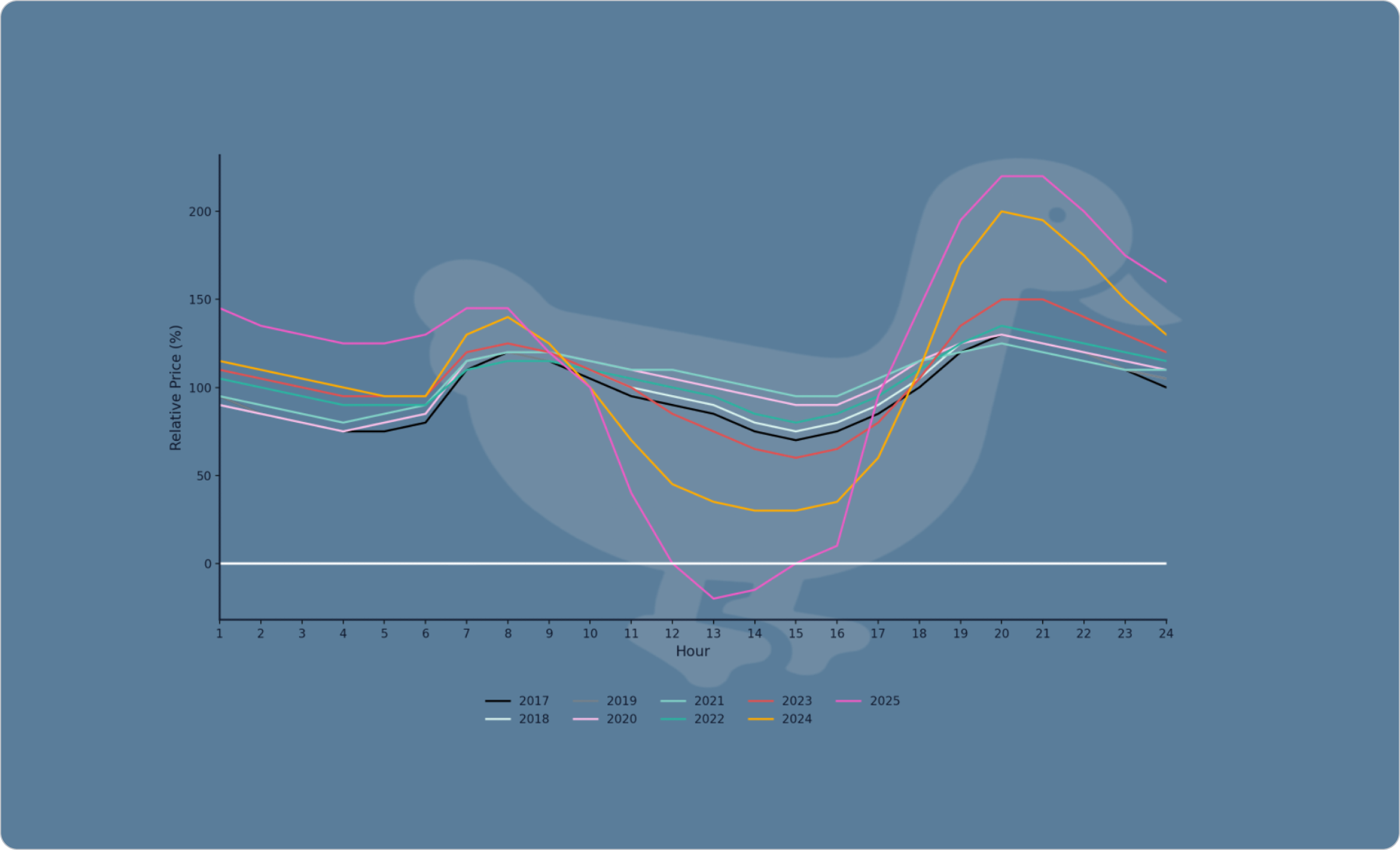
If 2022 was defined by the energy crisis and 2023–2024 by stabilization, 2025 marked the start of the flexibility era.
Across European power systems, flexibility challenges became visible through:
The core question shifted from how to generate enough energy to how to use surplus energy intelligently — and monetise it.
Instead of curtailment or fossil fallback, the market is moving toward:
In short: flexibility is moving from theory to daily operations.
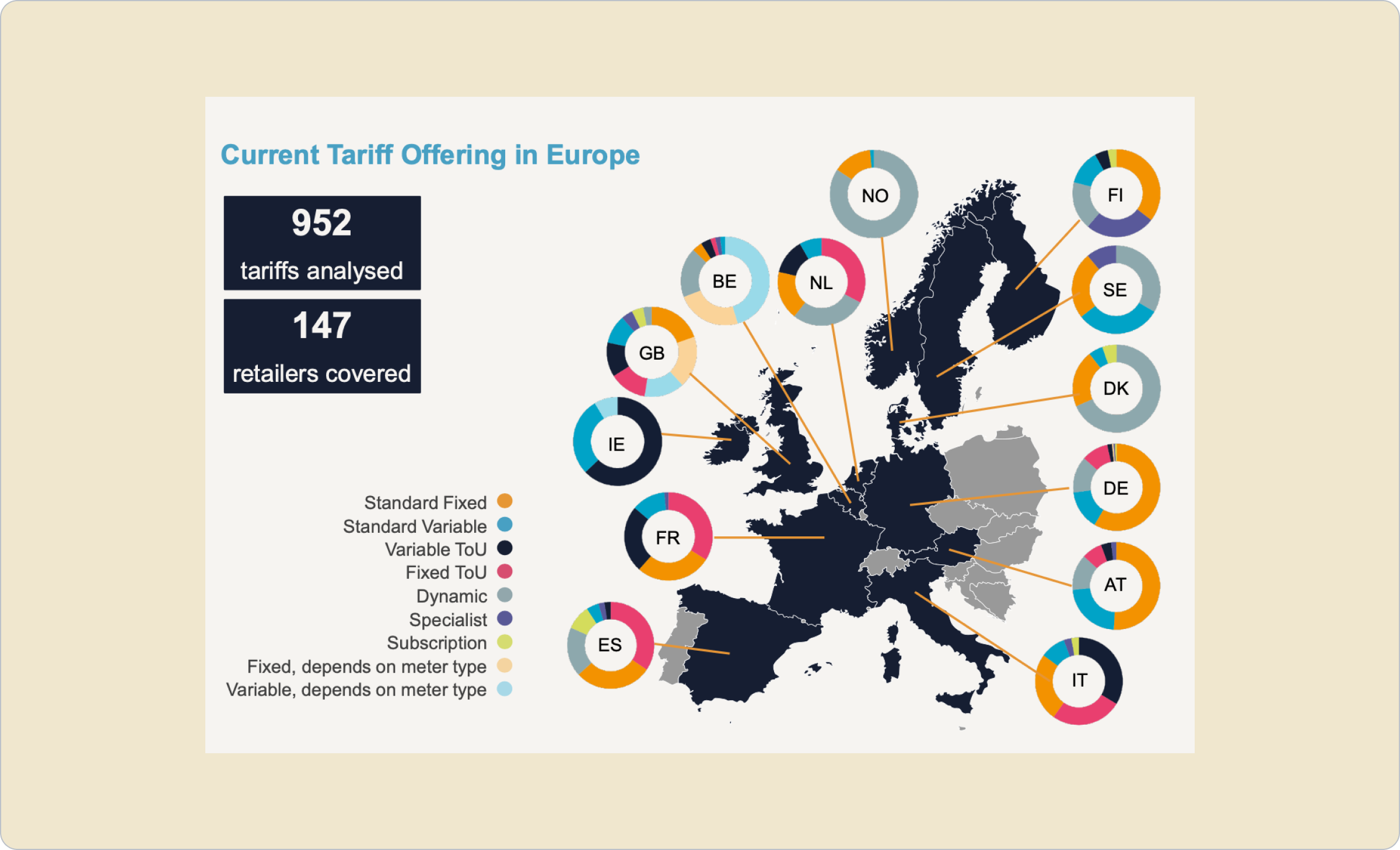
While DACH markets are still catching up, the Nordics, Benelux and the UK already show what smart flexibility looks like in practice.
In these markets:
The takeaway for utilities is clear: Trying to build complex, time-series-based products from scratch — especially on legacy ERP and billing systems — often leads to minimal compliance, not innovation.
Learning from mature markets and working with experienced partners is becoming a strategic necessity.
Germany saw a major shift in 2025 with mandatory dynamic tariffs under §41a EnWG.
From now on, tariff design is no longer just a billing topic — it becomes a core product competence. Utilities face a clear split:
At the same time, EV adoption continues to rise and MiSpel (market integration of storage and charging points) will further change grid fees from 2026. Combined with upcoming V2G use cases, tariff diversity is expected to grow rapidly.
The message is clear: 2026 will not be boring.
Energy sharing is entering a decisive phase across DACH:
Across all markets, the challenge is not the idea — but execution:
Value creation is shifting toward specialized platforms that can handle these complexities reliably — instead of Excel stopgaps or isolated in-house builds.
Looking across markets, one pattern stands out: Flexibility and DER are becoming the backbone of the energy system.
Utilities that still rely primarily on fixed-price products and annual billing risk losing relevance. Those that invest now in customer-centric dynamic tariffs, scalable energy sharing models, deep HEMS and asset integration can turn regulatory pressure into differentiation and growth.
This blog post only scratches the surface.
Our full whitepaper “Flexibility, Dynamic Tariffs & Energy Sharing: How 2025 Transformed the Energy Market — and What 2026 Means for Utilities” dives deeper into:
Download the full whitepaper to get the complete 2025 year-in-review — and a clear roadmap for smart flexibility in 2026 and beyond.