
exnaton’s co-founder and CEO Liliane Ableitner recently joined David Hunt on the Leaders in Cleantech podcast to discuss one of the energy sector’s biggest shifts: electricity is becoming dynamic, customers are becoming active participants, and utilities need new digital capabilities to keep up.
Throughout the conversation, one theme stands out clearly. The energy transition is no longer only about adding renewables to the system. It is increasingly about integrating distributed assets intelligently — and that requires better pricing models, better data processing, and better customer experience.
Liliane describes exnaton as a platform that helps utilities launch new energy products that tap into customer flexibility. These range from prosumer tariffs and local energy sharing models to dynamic market-based pricing. The underlying goal is to incentivize households and businesses to consume electricity more intelligently and invest in assets such as PV, batteries, and EV charging.
Her perspective is pragmatic: the more optimization happens locally — first at the household level, then in the neighborhood — the less pressure there is to expand physical grid infrastructure.
As Liliane puts it during the conversation:
“The more we optimize on a local level, the less we need to extend the grid infrastructure.”
Liliane’s journey into cleantech began during her studies in business informatics, when she deliberately sought a sector where technology could create meaningful impact. Energy quickly stood out as both complex and highly under-digitalized. That path led her to ETH Zurich, where she met her co-founders while working on a joint research project.
The pivotal moment came when their prototype for Switzerland’s first energy community generated real pull from the market. Utilities wanted to buy the software, and users wanted the local trading model to continue. What started as academic research suddenly had commercial momentum — and the team decided to build a company around it.
A major part of the discussion focuses on the limitations of traditional billing. Legacy systems typically operate on annual consumption, but modern energy products require time-based precision. exnaton addresses this through a time-series billing engine that processes consumption in 15-minute intervals — roughly 30,000 data points per customer each year.
This level of granularity enables utilities to properly bill both consumption and production, which becomes essential as more customers install solar panels, batteries, and other distributed assets. Liliane frames batteries in simple terms: they behave as both consumer and producer, which means billing and incentives must reflect both roles.
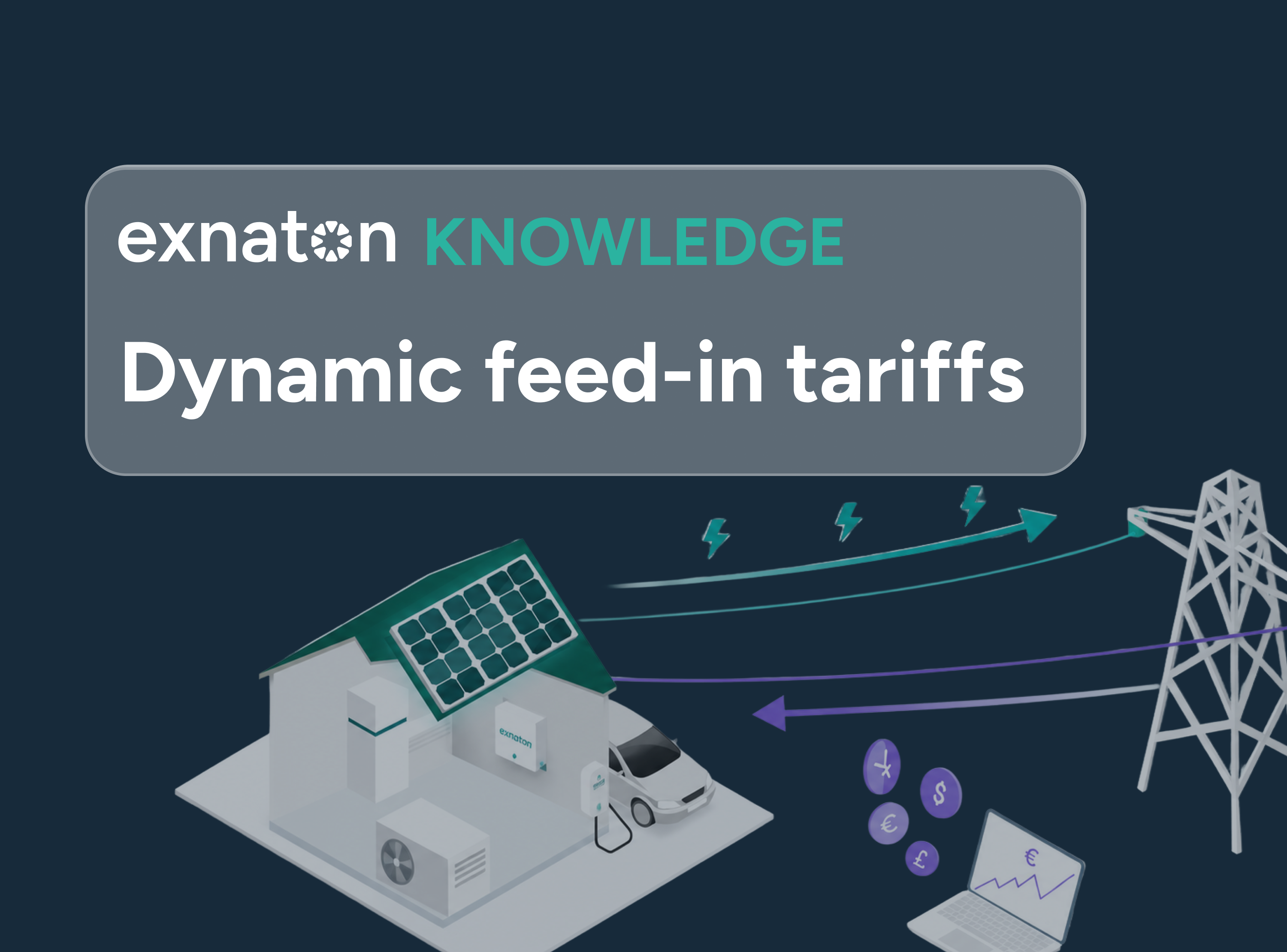
Once granular billing is in place, the next step is optimization. Liliane emphasizes that distributed assets will not support the grid purely out of goodwill — they need economic incentives. Dynamic tariffs provide the signals that tell batteries or EVs when it is most valuable to charge or discharge.
Looking ahead, she expects intelligent optimization — increasingly supported by AI — to play a bigger role in coordinating distributed assets, especially as bidirectional EV charging and battery deployments accelerate across Europe.
Across European markets, digital-first energy retailers have raised customer expectations with modern UX and innovative tariffs. Traditional utilities see this shift but often struggle to launch new products on top of legacy ERP systems.
exnaton’s positioning is to bridge exactly that gap: integrate with existing infrastructure, move billing complexity into a flexible time-series engine, and enable utilities to launch modern offerings in weeks rather than years. This allows incumbents to combine something powerful — trusted local relationships — with the digital product experience customers increasingly expect.
When asked about the next five years, Liliane points to a clear direction. The industry is moving beyond simply billing energy toward actively optimizing distributed resources. Bidirectional charging, cheaper batteries, and smarter automation will all increase the amount of flexibility available to the grid.
But technology alone will not drive adoption. Utilities must also deliver compelling customer experiences that help households understand value, trust the economics, and confidently invest in new energy assets. In Liliane’s view, digitalization and transparency are what ultimately unlock the full potential of the energy transition.
Listen to the full episode:
Spotify: https://open.spotify.com/episode/6hdKme0OxxszvEZ1Slzn9w
YouTube: https://www.youtube.com/watch?v=ey48CGJNxSc